

In a world where pajamas have become the new power suits, remote work efficiency is the hot topic everyone’s buzzing about. Gone are the days of battling traffic and awkward water cooler small talk. Now, folks can juggle spreadsheets while sipping coffee in their favorite fuzzy slippers. But just because the commute is short doesn’t mean productivity should take a backseat.
The challenge lies in mastering the art of staying focused amid the myriad of distractions lurking at home—like that Netflix series begging for attention or the fridge whispering sweet nothings. This article dives into clever strategies that can turn any home office into a productivity powerhouse. Get ready to unlock the secrets of working smarter, not harder, all while keeping your sanity intact and your snack game strong.
Understanding Remote Work Efficiency
Remote work efficiency reflects the ability to maintain productivity in a home environment. This concept has gained significant attention as more individuals embrace flexible work arrangements.
Definition and Importance
Remote work efficiency refers to how effectively individuals perform tasks while working from home. Achieving high levels of efficiency leads to increased output and job satisfaction. Organizations benefit from efficient remote work, as it drives performance and fosters a positive work culture. Individuals experience greater work-life balance, which can enhance their overall well-being.
Factors Influencing Efficiency
Numerous factors influence remote work efficiency. Distractions, such as household chores and entertainment options, can hinder focus. A designated workspace plays a crucial role in minimizing interruptions. Communication tools contribute significantly to maintaining connectivity with colleagues. Time management skills are essential for prioritizing tasks effectively. The presence of a structured routine encourages consistency and helps individuals stay aligned with work goals.
Tools and Technologies for Enhanced Efficiency
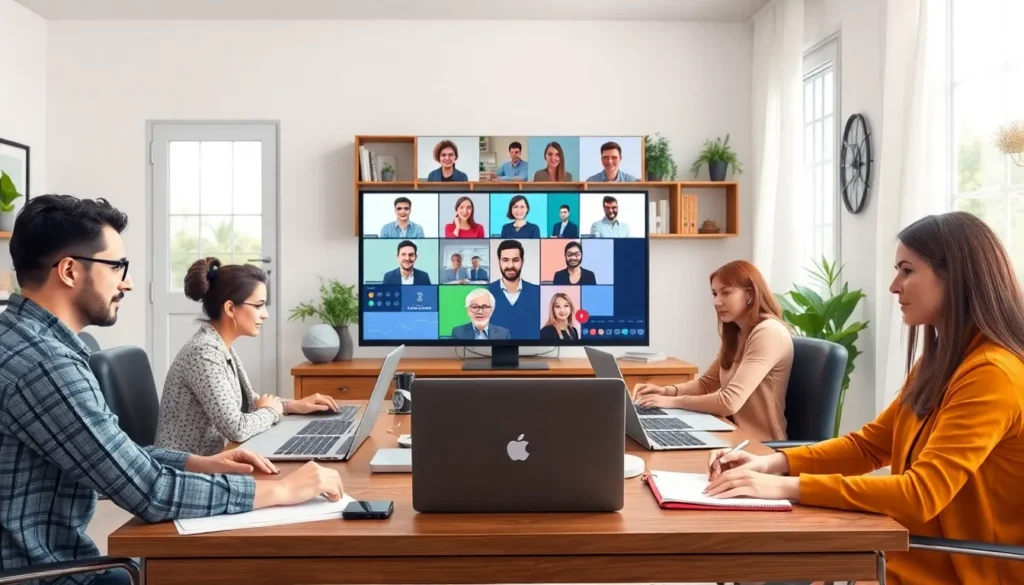
Remote work demands effective tools and technologies to enhance productivity. The right resources streamline communication, boost collaboration, and facilitate task management.
Communication Tools
Platforms such as Slack and Microsoft Teams improve communication among remote teams. Instant messaging and video conferencing features help maintain real-time interactions. Video calls enable personal connections, which often promote team cohesion. Using these tools reduces misunderstandings and enhances clarity in messages. Employees stay connected, allowing information to flow seamlessly. Regular updates through these channels keep everyone aligned with team goals.
Project Management Software
Trello and Asana serve as powerful project management software options. Users can create boards and lists to organize tasks efficiently. Each team member can track progress, set deadlines, and delegate responsibilities. Visual organization helps prioritize tasks based on urgency and importance. Collaboration becomes more transparent, allowing teams to monitor project status easily. Notifications alert members of changes, ensuring that no detail slips through the cracks. These tools empower teams to maintain focus and achieve objectives on time.
Best Practices for Remote Work
Maintaining productivity in a home environment requires strategic approaches. Effective practices enhance focus and efficiency during remote work.
Setting Up a Productive Workspace
Creating a productive workspace is crucial for remote work efficiency. Designate a specific area, free from distractions and clutter, to cultivate concentration. Incorporate ergonomic furniture that supports comfort and encourages good posture. Ensure proper lighting to reduce eye strain and create an inviting atmosphere. Personalize the space with elements that inspire motivation, like plants or artwork. Establish boundaries to signal work hours, minimizing interruptions from household members. Organize supplies and technology to streamline tasks. These considerations help create an optimized environment that fosters productivity.
Time Management Techniques
Implementing time management techniques bolsters remote work efficiency. Use the Pomodoro Technique, which involves working in focused intervals of 25 minutes followed by short breaks. Prioritize tasks by creating a daily to-do list, ranking them by urgency and importance. Block specific hours for deep work, minimizing distractions during these periods. Set clear deadlines for projects to maintain accountability. Utilize digital calendars to schedule tasks and allocate time effectively. Employ time tracking apps for better insight into productivity trends. These strategies empower individuals to manage their time effectively and stay on track with work goals.
Challenges of Remote Work
Remote work introduces several obstacles that can hinder efficiency and productivity. Addressing these challenges helps individuals and organizations navigate remote work effectively.
Common Distractors
Distractions are prevalent in a home environment. Family members, pets, and noise can disrupt focus. Various entertainment options, like television and social media, often compete for attention. It’s vital to establish boundaries and communicate availability to those at home. Some individuals find it helpful to use noise-canceling headphones to minimize disturbances. Setting up a dedicated workspace reduces the likelihood of distraction. Technology also plays a role; leveraging apps that block distracting websites can foster concentration. Maintaining self-discipline remains key to overcoming these common distractions.
Balance Between Work and Life
Striking a balance between work and personal life presents a significant challenge in remote work arrangements. Blurring boundaries can lead to longer working hours and increased stress. To combat this, establishing a clear schedule is essential. Setting specific start and end times fosters routine, reducing the temptation to work outside of designated hours. Taking regular breaks can enhance focus and mental well-being. Individuals should prioritize personal time, making space for hobbies and family activities. Implementing these strategies creates a more sustainable work-life balance.
Remote work efficiency is essential for thriving in today’s work environment. By implementing effective strategies and utilizing the right tools, individuals can significantly enhance their productivity while enjoying the comforts of home. Establishing a dedicated workspace and setting clear boundaries helps minimize distractions and fosters a focused mindset.
Moreover, embracing time management techniques and maintaining open communication within teams can lead to improved collaboration and job satisfaction. As remote work continues to shape the future of employment, prioritizing efficiency will not only benefit individuals but also contribute to a more positive organizational culture. Adopting these practices ensures that remote work remains a viable and rewarding option for everyone involved.


